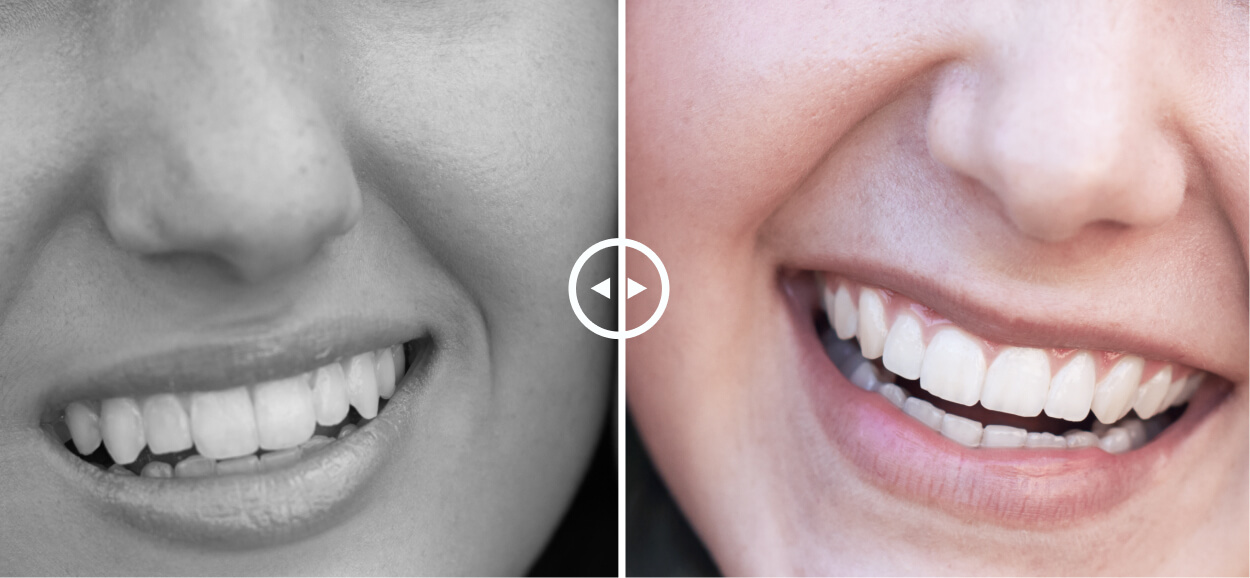
Many parents wait until their child has all of their permanent teeth before considering orthodontic treatment. However, this is not always the best approach. By waiting until all the permanent teeth have erupted, there may be missed opportunities to correct issues that could have been easily addressed at a younger age.
The American Association of Orthodontists recommends children see an orthodontist for an initial evaluation by the age of 7. This allows orthodontists to identify any potential issues and create a treatment plan that can be implemented at the appropriate time.
One of the major benefits of early treatment is preventing more serious problems from developing later on. By addressing orthodontic issues at a young age, you can avoid the need for more extensive and invasive treatment in the future. This can save time, money, and unnecessary discomfort down the road.
Early treatment can also help with improving facial symmetry and jaw alignment. By guiding the growth of your child’s jaw at a younger age, their teeth will have ample space to come in properly, resulting in a straighter and healthier smile.
Another advantage of early treatment is it can help correct harmful oral habits that may be affecting your child’s oral health. These habits, such as thumb sucking or tongue thrusting, can cause misalignment and other issues if not addressed early on.
Many parents may wonder if their child needs braces at a young age. The truth is, early treatment can make a big difference in your child’s smile and oral health. By starting orthodontic treatment or a plan to monitor your child’s smile, we can catch and correct issues before they have time to fully develop and cause any concern.
Some benefits of early treatment include:
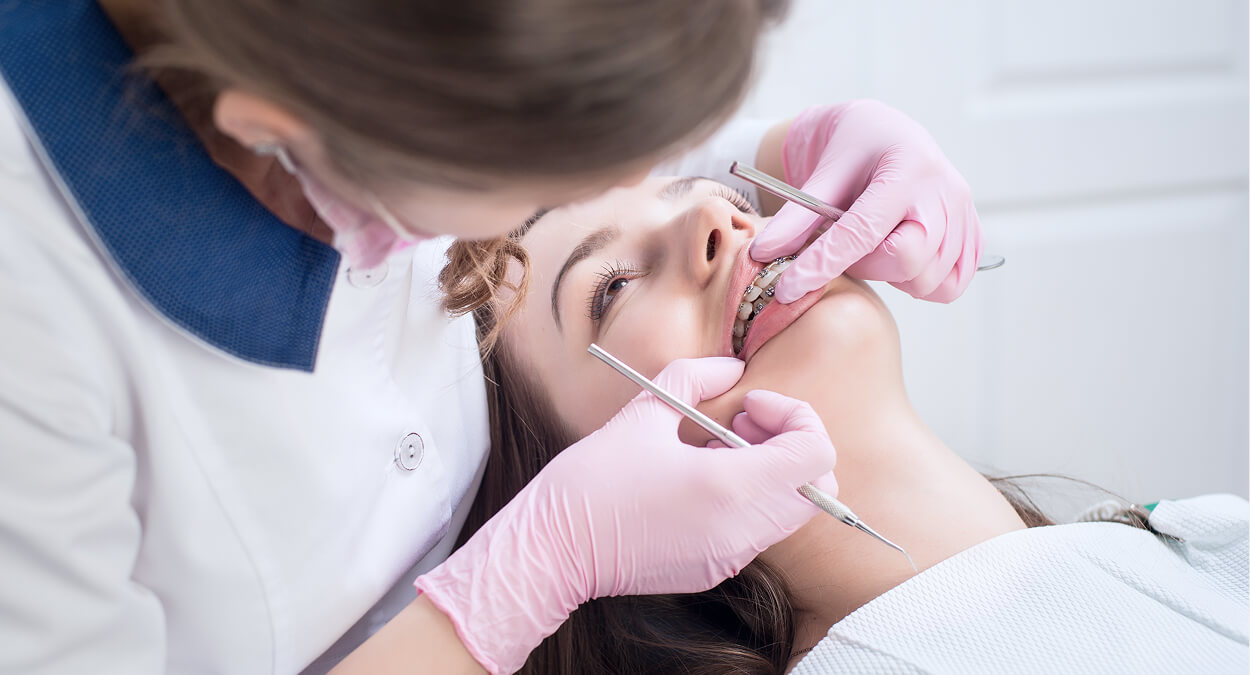
The first phase of orthodontic treatment, also known as Phase 1, typically begins around the age of 7 or 8. This phase focuses on correcting any bite and jaw alignment issues, as well as creating space for permanent teeth to come in properly.
Phase 1 treatment usually involves using appliances such as braces or expanders to guide the growth and development of your child’s teeth and jaws. The duration of this phase can vary depending on the specific needs and progress of your child’s treatment.
Once Phase 1 is complete, a resting period will follow to allow permanent teeth to continue coming in. This may involve wearing a retainer or other appliances as recommended by the orthodontist. After this resting period, Phase 2 — or full orthodontic treatment — begins.
Full treatment typically involves straightening and aligning all of your child’s permanent teeth to create a beautiful and functional smile. This phase may involve the use of braces, aligners, or other appliances depending on your child’s specific needs.
In conclusion, early treatment through Two-Phase Treatment can provide numerous benefits for your child’s oral health. By starting treatment at the recommended age of 7 and addressing any potential issues early on, you can help your child achieve a straighter and healthier smile for life.


A brighter smile can transform not only your appearance but also your confidence. At Hawaii Smile Designs, we offer safe, professional teeth whitening treatments designed to remove years of stains and discoloration caused by food, drinks, tobacco, medications, and the natural aging process. Our powerful whitening system lightens stains effectively while protecting your enamel, giving you a radiant smile you’ll be proud to share.
To help you maintain lasting results, our team provides expert guidance on daily habits, foods, and oral care routines that keep your smile shining longer. Whether you’re preparing for a special event or simply want to refresh your look, our customized whitening treatments are tailored to your goals. With Hawaii Smile Designs, a dazzling, confident smile is closer than you think.